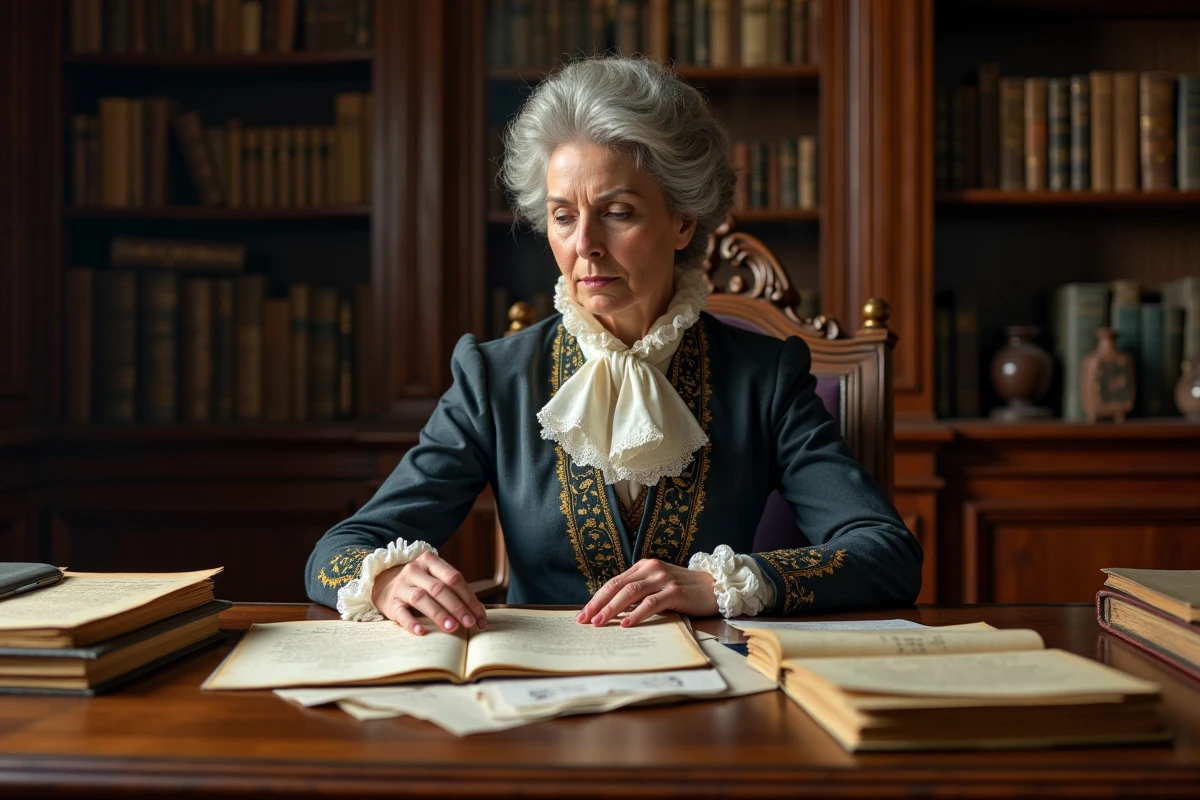
The Ottoman Empire maintained impalement as an official sanction until the 19th century, while most European powers had already prohibited it. This method, rarely applied to women, nonetheless left precise traces in the archives and judicial narratives. Notable exceptions reveal both the obsession with controlling bodies and the ambivalent fascination with female suffering.
European historiography of female martyrdom, caught between fascination and denunciation, has largely fueled literature and reflection on the shifting boundaries between barbarism and civilization. Some myths have survived the reality of events, blurring the perception of the torture and its social meaning.
When Death Becomes Spectacle: Female Impalement in the Collective Imagination
Reducing the issue of impalement inflicted on women to a mere list of tortures would make no sense. For centuries, society has cast a gaze of mixed fascination and fear upon these exposed women, recounted in judicial archives or literature. A marginal yet obsessive method, impalement has left its mark on minds, traversing memories through copied and enriched chronicles, legends, and texts that are alternately dramatic or edifying. The earliest European descriptions make the pain endured by women a repulsion, a spectacle, and sometimes, a warning. Blood, distress, anonymity… Everything merges in a collective memory that retains the brutal scene.
The transition from Antiquity to the medieval period gives this public exposure a new strength. Engravings circulate, illustrated narratives spread, and the spectacle takes hold. In the 16th century, there is a first mention in a text that is part of the long chain of works where female pain is elevated to a quasi-ceremony, followed by both the literati and the common people.
The archives are filled with meticulous descriptions: nothing escapes the pen of chroniclers, who detail every gesture, every reaction, every step of the torture. The exposed female body literally becomes the heart of a raw staging where social authority, taboo, and curiosity intersect. Even today, these narratives compel us to reflect on our relationship with justice, memory, and the role that suffering occupies in the European imagination. For a detailed and documented analysis, the history of impalement in women offers a unique perspective on this phenomenon.
Why Does the Fascination with Female Martyrdom Endure Through the Centuries?
Europe has never ceased questioning the power of these stories. From ancient Rome to 19th century France, the evocation of female impalement transcends physical pain. It unveils the gaze cast upon the body, reflecting how justice and religious order use punishment to assert their law. More than a punishment, execution becomes a message, a call to vigilance, and sometimes, pure spectacle.
Faced with the scene, the victim is not limited to her suffering: she represents disorder, but also the figure that reassures society through her sacrifice. From the 17th to the 19th century, the theme reappears in works and art, a sign of the persistent attraction to female suffering, oscillating between disturbing fascination and open denunciation. English and French chronicles emphasize, in most cases, the rare reality but immense echo of these tortures.
Some examples illuminate this singular fixation across different eras:
- In France, the 19th century sees a flourishing of books describing spectacular justice and tortures, down to their smallest details.
- In England, the press highlights female martyrdom for political or moralizing reasons, even enhancing its dramatic impact.
Over time, female impalement serves as a revealer. It underscores how a society manages violence, forges memory, and constructs its own fears and taboos. Each narrative shapes a collective imagination and disrupts the boundary between reality, morality, and myth.
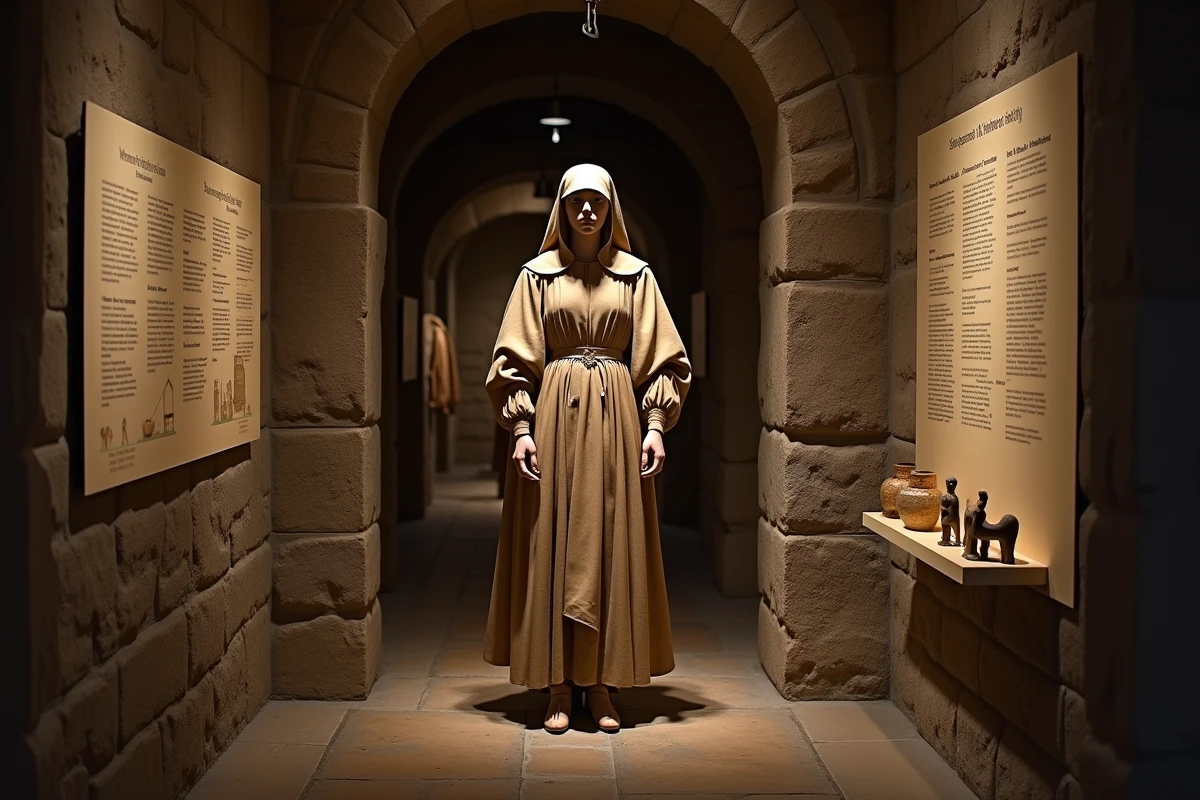
Barbarism or Civilization: What Literature Reveals About Our Obsessions
Literature and social memory advance side by side. In Paris, from the mid-19th century onwards, the publication of works on justice and its excesses multiplies. Authors engage: each testimony, each description reveals a codified, ritualized violence. Under the pen of writers, the suffering of women becomes a mirror held up to society as a whole: how far will we go to impose order? At what point does denunciation fade before fascination?
Great European writers have placed the question of torture at the center of their narratives, attempting to capture what fear and punishment said about their time. Through progress, some mask the brutality inherent in the judicial system. Sometimes, a simple remark at the beginning of a text signals this mix of unease and fascination that surrounds execution: the attraction to violence, even draped in morality.
Several editorial currents approach this theme from all angles:
- Historical works that rigorously catalog the tortures reserved for women across the continent.
- Texts published in Paris that scrutinize how these narratives haunt today’s popular and scholarly culture.
Literature continually questions our relationship with tradition, power, and the place given to female suffering in civilization. We close the book, leaving the question hanging: what does this obsession with the past say about how a society views itself?