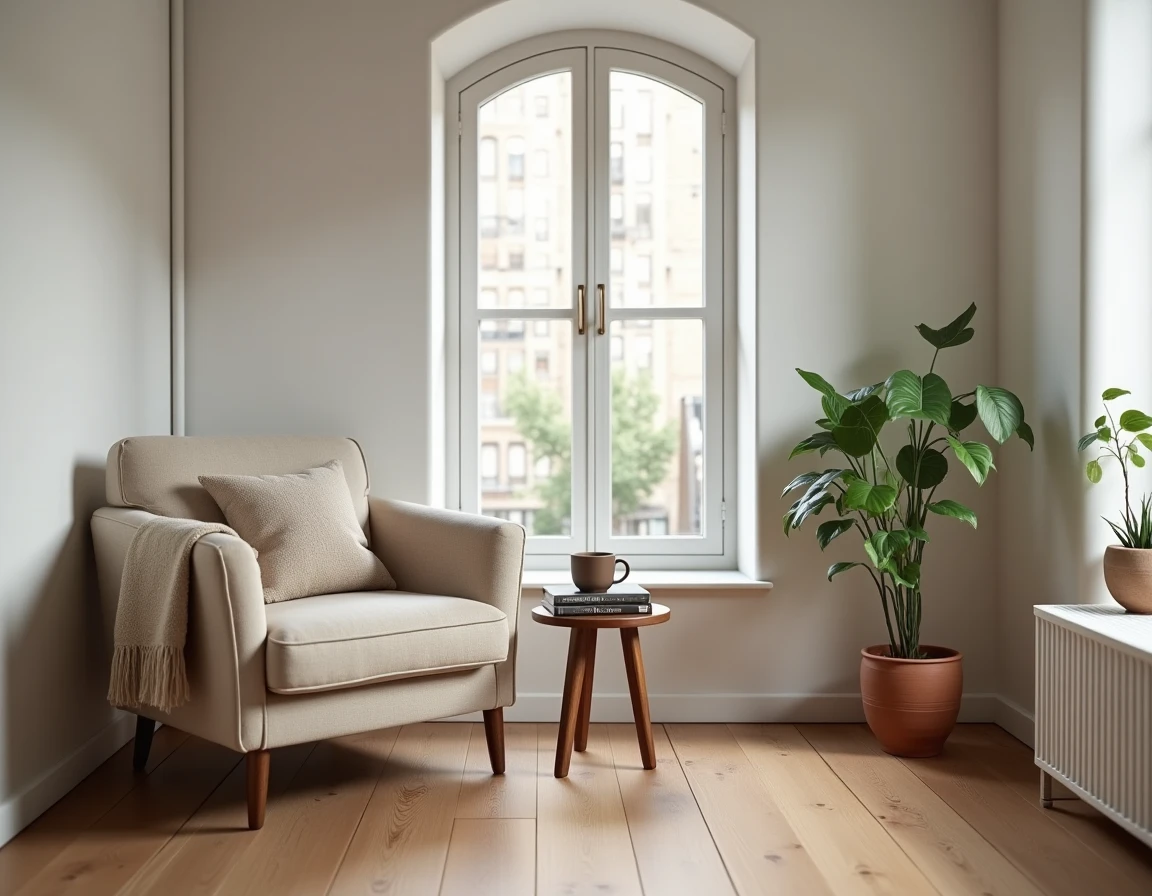
Interior decoration is going through a phase of rationalization. After years marked by the accumulation of objects and fleeting trends relayed on social media, field reports show a refocusing on sustainable choices, raw materials, and increased attention to the real well-being of occupants. Domestic lifestyle is no longer just a photographic staging: it is rooted in concrete decisions between light, colors, furniture, and greenery.
Natural light and color palette: what environmental psychology research confirms
Studies published after 2022 in journals like Frontiers in Psychology and Journal of Environmental Psychology establish a documented link between natural light and reduced perceived stress among occupants of a dwelling. Increased brightness in living spaces is correlated with improved sleep quality.
These findings guide decorative micro-actions within reach: moving a desk near a window, replacing opaque curtains with sheer ones, removing visual obstacles between the light source and the center of the room. These are not stylist recommendations; they are suggestions supported by research.
On the color side, palettes of desaturated greens and blues, combined with warm beiges, are returning in recommendations. Soothing tones measurably reduce perceived stress, according to these same studies. A living room painted in sage green or gray-blue is not just an aesthetic choice: it concretely alters the atmosphere felt on a daily basis. Specialized resources like bycarolineandco.fr regularly explore these associations between colors, materials, and lifestyle.
Reasoned biophilia: fewer plants, better chosen
The “jungle style” popularized between 2018 and 2020 gives way to what WGSN trend reports and Maison&Objet Observatory describe as reasoned biophilia. The principle: reduce the number of indoor plants while upgrading the selected species.
Ficus robusta, pothos, spathiphyllum: these varieties are returning in recommendations because they combine ease of maintenance with air-purifying capacity. Decorative accumulation gives way to strategic placements, one plant per room rather than ten on a shelf.
- Pothos tolerates low-light spaces and filters certain volatile organic compounds, making it suitable for bedrooms and offices.
- Spathiphyllum absorbs moisture and helps regulate air in bathrooms or kitchens.
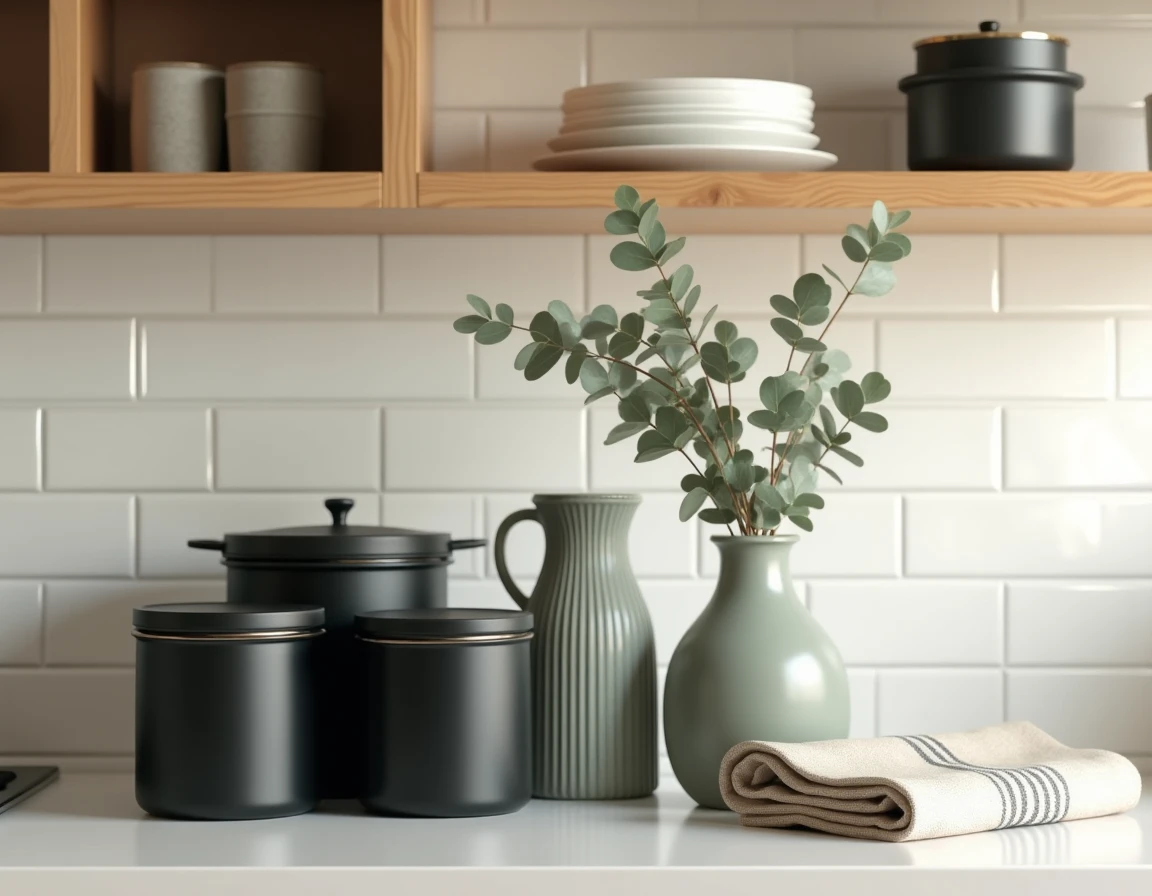
- Indoor mini-gardens, integrated into the kitchen countertop, respond to both health and decorative logic.
This approach reflects a change in mindset. The plant is no longer an interchangeable decorative accessory; it becomes a functional element of the living environment.
Raw materials in the living room and bedroom: wood, marble, and mixed textures
The choice of materials remains the most structuring lever of interior decoration. Solid wood, marble, and natural textiles (linen, washed cotton) dominate current projects, in reaction to the synthetic finishes of previous years.
In the living room, a raw wood coffee table paired with a marble top creates a contrast of textures that adds character without multiplying objects. Focusing on two or three natural materials is enough to structure a room, where adding knick-knacks would overload it.
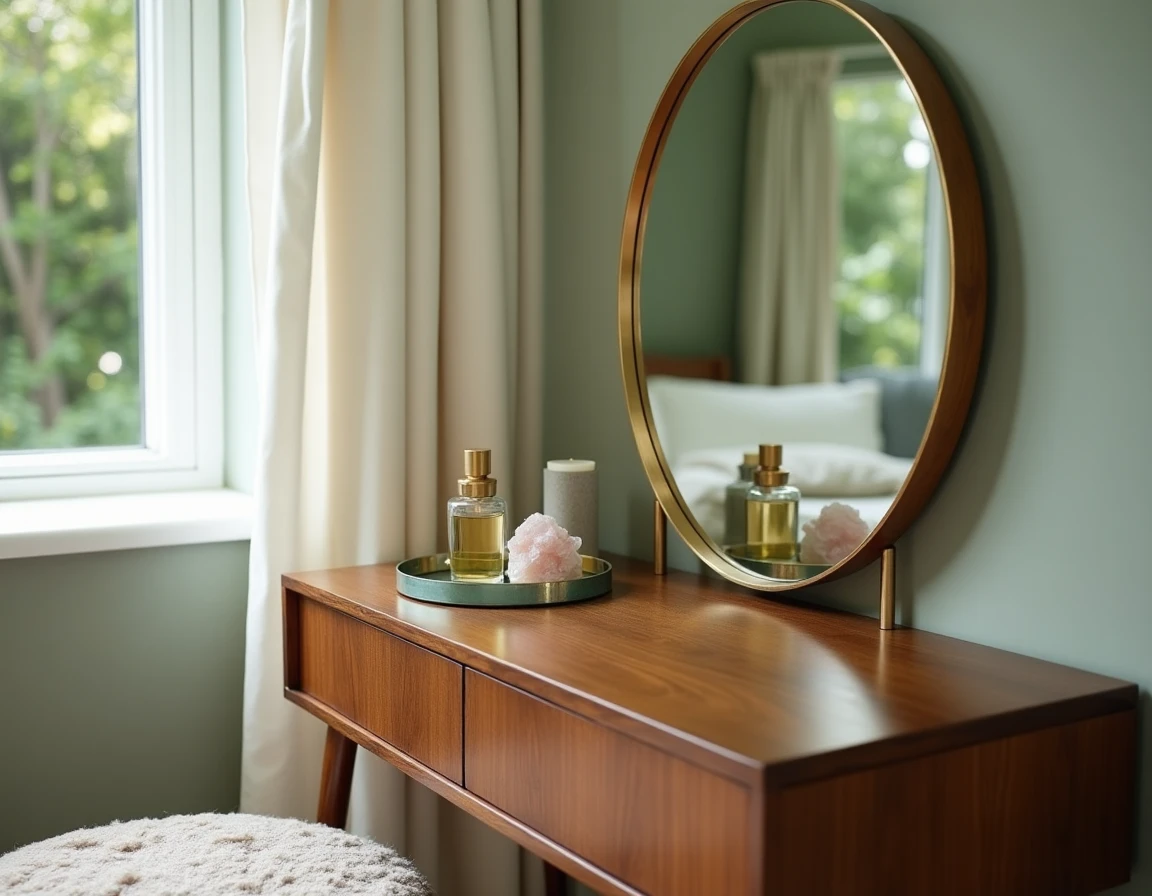
In the bedroom, light wood furniture (oak, ash) paired with linen bedding creates a visually calming effect. Field reports diverge on this point: some professional decorators believe that light wood visually expands the space, while others consider that dark shades (walnut, wenge) add more depth in small areas. The choice depends on the room’s brightness and ceiling height.
The case of marble in small spaces
Marble is appealing, but its use in a modest-sized apartment requires restraint. A white marble sink countertop in a bathroom or a marble top console in the entryway adds a design note without weighing down the overall look. One marble surface per room adds relief without saturating the eye.
Durable furniture versus seasonal renewal: a clarifying trade-off
Decor media have long encouraged frequent renewal of accessories (cushion covers, candles, small objects) to “refresh” an interior with the seasons. This logic encounters two concrete limits.
The first is budgetary. Accumulating low-cost decorative purchases often ends up being more expensive over a year than a one-time investment in quality furniture. The second is environmental: available data does not allow for precise calculation of the carbon impact of disposable decoration, but consumer awareness is increasing.
- A durable fabric sofa (thick linen, twill cotton) retains its appearance for years, unlike synthetic coverings that pill quickly.
- A solid wood table ages beautifully and gains character over time, whereas a particle board piece ages poorly.
- Lighting fixtures in brushed metal or artisanal ceramic withstand trends without going out of style.
Prioritizing three durable pieces of furniture is better than ten accessories renewed each season. This selective investment logic redefines how a living space is built over time.
Wall art and unique objects: giving identity to each room
An interior that looks like a catalog lacks personality. Wall art, whether it be prints, photographs, or hung ceramics, introduces a uniqueness that furniture alone cannot provide.
The choice of a piece or a local handcrafted object anchors the decoration in a personal narrative. One strong object per room creates a focal point more effectively than an overloaded gallery wall. In the living room, a large piece above the sofa. In the bedroom, a small framed series on a side wall. In the entryway, a piece of pottery placed on a console.
The current trend values unique or limited edition pieces found from artisans, at flea markets, or during travels. This type of decoration withstands fashion cycles because it does not depend on a trend: it depends on a personal choice.
The most convincing interior decoration is one that does not seek to impress. A well-lit space, a few noble materials, plants chosen for their function as much as their aesthetics, and objects that tell a story: daily life is elevated with little, provided that each element has been thoughtfully considered.