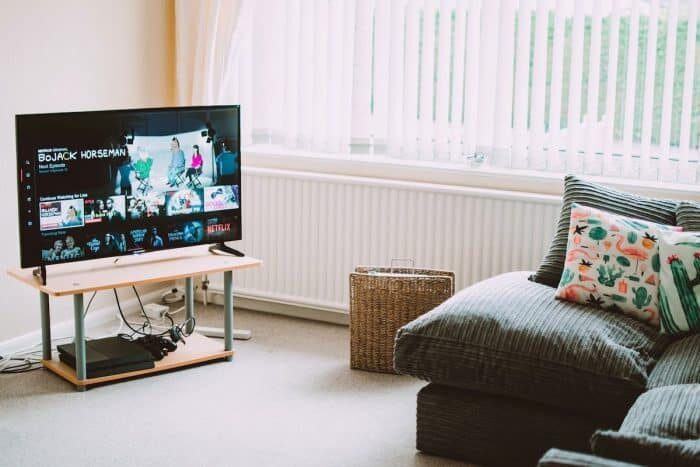
In today’s digital age, technological innovation has transformed the simple television into a comprehensive device for entertainment and information. At the heart of this transformation lies the Smart TV, offering a myriad of features that go beyond just broadcasting television programs. But how can one distinguish a Smart TV from a traditional television? What are the distinguishing criteria that define a television as ‘smart’? A thorough exploration of these questions will enable consumers to make an informed choice when purchasing their next television. Shedding light on these distinguishing criteria will help demystify Smart TV technology.
Smart TV: The Future of Home Entertainment
Now that we have established what a Smart TV is, let’s move on to the crucial question: ‘how to know if my TV is a smart TV?’ If you are reading this article on your television via an internet app or an integrated web browser, that is a sure sign that you own a Smart TV. If not, and you are still uncertain after browsing your television’s specifications in its user manual or online, here are some key features that Smart TVs typically possess.
First, all Smart TVs come with internet connectivity capabilities. This connectivity can be achieved either via Wi-Fi or Ethernet cable for some older models. Has your television ever asked to connect to your home network? If so, that likely indicates that it is ‘smart’.
Another important indicator would be the presence of apps. Popular apps like Netflix, YouTube, and Amazon Prime Video are often pre-installed on these devices. You can also add more from the manufacturer’s app store—just like you would with a smartphone.
It is worth mentioning the possibility of screen sharing or Screen Mirroring, which allows users to stream their mobile screens directly to their televisions—a feature typically associated with Smart TVs.
Similarly, some models now come with voice control thanks to assistants like Alexa (Amazon), Google Assistant, and Siri (Apple). So, if you have encountered such a system in your TV, then there is no doubt; it indeed belongs to the category of Smart TVs.
Checking for the presence of an HDMI port can be useful since almost all new smart models include this input to facilitate access to high-definition content from external devices such as video game consoles, DVD/Blu-Ray players, etc.
So keep a close eye out for these features when inspecting the system menu.

Smart TVs: Revolutionary Features to Discover
The technical specifications for identifying a Smart TV go beyond the visible features; there are also more technical criteria that can help recognize a Smart TV. Check the screen resolution. Modern smart televisions are generally equipped with a high-definition (HD) or ultra-high-definition (UHD) screen, providing exceptional image quality.
Another element to consider is the operating system of the television. Popular brands often offer their own operating system specifically designed for their smart devices. Among the most well-known are Google’s Android TV, LG’s webOS, and Samsung’s Tizen OS. So make sure your television has an operating system compatible with applications and regular updates.
The presence of USB ports on the television can also be an important indicator. These ports will not only allow you to connect devices such as USB drives or external hard drives to play your favorite media files directly on your Smart TV.
Regarding wireless connectivity, ensure that your television supports Bluetooth and Wi-Fi so you can fully enjoy advanced network features such as streaming from various online services.
For those who want to benefit from the best possible sound, it is recommended to check if the chosen model supports high-end audio technologies such as Dolby Atmos or DTS:X.
Warranty and after-sales service are elements not to be overlooked when purchasing a Smart TV. Make sure the manufacturer offers a sufficient warranty to protect you against any potential defects and has good customer support in case of need.
Recognizing a Smart TV is not so complex when you know which criteria to consider. Check for visible features such as internet connectivity, pre-installed apps, screen sharing, or voice control. Do not overlook the technical specifications like screen resolution, operating system, USB ports, and wireless connectivity. By following these simple yet precise tips, you will be able to make an informed choice when purchasing your next television.
Smart TV: The Benefits of a Connected Experience
Now let’s move on to the essential differentiations between a Smart TV and a traditional television. It is crucial to understand these distinctions to make an informed decision when purchasing a new device.
The main feature that differentiates a Smart TV from a traditional television lies in its ability to connect to the internet. While conventional televisions are limited to receiving audiovisual signals via antennas or cables, Smart TVs offer unlimited online access. Thanks to this feature, you can enjoy popular streaming services like Netflix, Amazon Prime Video, or Disney directly on your screen.
Unlike classic televisions that often require the additional use of external devices like Blu-ray players or gaming consoles, Smart TVs natively integrate several advanced features. For example, they typically come equipped with an interface that allows easy access to the various applications and services available.
Smart TVs also present greater interactivity compared to traditional models. You can use specific applications to check your emails, browse the internet, or even control certain connected objects in your home through the principle of IoT (Internet of Things).
Another important aspect is that some manufacturers offer regular software updates for their smart devices to constantly improve their performance and security. This means that a Smart TV can evolve over time, thus offering new features and an optimal user experience.
It is worth mentioning that Smart TVs generally come with additional HDMI ports compared to traditional televisions. This allows you to easily connect other devices such as video game consoles, Blu-ray players, or even your laptop for an ultimate multimedia experience.
Smart TV vs Traditional Television: What Are the Differences
In this final section, we will explore some simple methods to check if your television is smart. You should note that most Smart TVs feature a distinctive logo indicating their smart nature. Look for brands like ‘Smart TV’ or ‘Android TV’ on the packaging or the television’s casing itself.
You can also perform a quick online search using your television’s specific model to confirm whether it is indeed a Smart TV. Manufacturer websites or technology-focused forums can provide accurate information about your device’s features and capabilities.
Another method is to examine your television’s connectivity. If you have a variety of ports such as HDMI, USB, Ethernet, and built-in Wi-Fi on your device, there is a good chance it is smart. These ports allow for wireless connectivity with the internet and facilitate the connection of other external devices.
Feel free to browse the main menu of your television. The intuitive user interfaces typical of Smart TVs generally offer easy access to pre-installed applications as well as those available online through an integrated virtual store.
It is important to mention that some older models do not have the advanced features associated with modern Smart TVs. If you already own a traditional television but wish to enjoy the benefits offered by a Smart TV, there are alternative solutions. You could, for example, opt for an external streaming device such as a dongle or a TV box that transforms your classic television into a Smart TV.
Checking if your television is smart can be quite simple with a few basic methods. The presence of the ‘Smart TV’ logo, examining the connectivity, and exploring the main menu are the most effective ways to confirm this functionality. Remember that owning a Smart TV offers significant advantages such as access to popular streaming services and specialized applications, as well as an enhanced interactive experience. Investing in this versatile device can transform your audiovisual experience into an exciting and immersive adventure.
Is Your Television Smart? Here’s How to Check
In this section, we will address additional criteria for recognizing a Smart TV and verifying if your television is truly smart. Beyond the previously mentioned methods, you can also consider compatibility with voice assistants.
Nowadays, many smart televisions come equipped with a built-in voice assistant feature such as Amazon Alexa or Google Assistant. These assistants allow you to control your television using simple voice commands. If your television responds to verbal commands and executes specific actions through these assistants, it confirms that it is indeed a Smart TV.
Another important indicator is the ability to browse the internet directly from the television via a built-in web browser. Modern Smart TVs generally offer this feature, allowing you to easily access your favorite sites without needing an external device such as a computer or tablet.
An essential aspect to consider is the availability of popular applications on the integrated virtual store of the television. Applications like Netflix, YouTube, Spotify, and others should be accessible to fully enjoy the benefits offered by a Smart TV. So check if these applications are available in the ecosystem of the corresponding operating system (like Android TV or WebOS) before concluding definitively that your television is smart.
Another method to determine if a television truly belongs to the Smart TV category is to check if it supports regular software updates. Smart TV manufacturers often provide system updates to improve performance, add new features, and fix any issues. If your television allows you to easily perform these updates, it confirms that it possesses true intelligence.
In summary, there are several criteria that can help you recognize a Smart TV and determine whether your television is smart or not. Compatibility with voice assistants, the presence of a built-in web browser, access to popular applications via the virtual store, and the ability to receive regular updates are all key elements for identifying a true smart television.
By keeping these criteria in mind when purchasing or evaluating your current television, you can be sure of having a modern and immersive audiovisual experience that will fully meet your technological needs.